
Home & Garden
Make a Small Balcony Comfortable for Reading
Plan a comfortable outdoor reading corner with sensible furniture placement, weather awareness, and space to move.
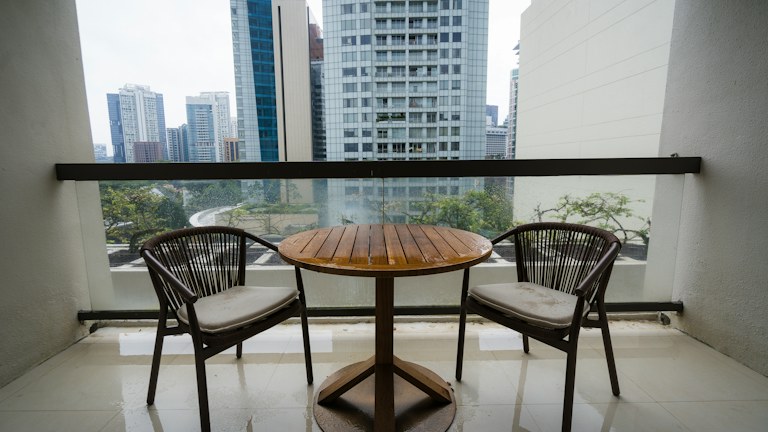
Photo: Frugal Flyer / Unsplash. Stock photograph for illustration.
In this guide
A balcony does not need to become a fully furnished outdoor room to offer a pleasant place to read. One suitable chair, a place for a book, and a little attention to light and movement may be enough. The best arrangement depends on how the space behaves during the hours you actually use it, not how it looks in a photograph taken under ideal conditions.
Start by treating the balcony as part of a building with specific limits and rules. Check the requirements that apply to your home before adding heavy items, fixtures, screens, or anything attached to the structure. Within those boundaries, a simple reading corner can be planned around comfort and easy everyday use.
Observe the space at reading time
Visit the balcony at the time you would normally read. Notice direct sun, glare, wind, noise, and the amount of privacy. A corner that feels comfortable in the morning may be unpleasant later in the day. One observation is a starting point; a few visits under different conditions give a more realistic picture.
Sit temporarily in a suitable existing chair if you can do so safely. Check whether you naturally face the view, the wall, or the light. The most attractive angle may not be the easiest one for reading a page. Your experience in the actual space is more useful than choosing furniture before testing the position.
Note what would make you leave after ten minutes. It may be a lack of back support, nowhere to put a drink, or bright reflections. Address the main inconvenience first instead of adding a long list of decorative improvements.
Keep the usable route clear
Measure the balcony and the path from the door. Include the door's full movement and the room needed to sit down, stand up, and bring items inside. A chair can fit on paper while making the entrance awkward in practice.
Test the footprint of a proposed chair and table before buying them. Leave access to required building features and drainage, and do not obstruct an escape route. Follow the rules for your building and avoid assuming that a small object is harmless simply because it occupies little floor area.
Keep furniture away from positions where it could create a climbing aid near a railing, particularly where children may be present. Secure or remove lightweight items when conditions require it. The reading corner should remain an ordinary, manageable part of the home rather than a collection of objects that need constant watching.
Choose a chair for the reading posture
Think about how you hold a book or device. A very low lounge chair may be relaxing but awkward for reading upright. A dining-style chair may offer a useful position for a short session but feel uncomfortable over time. Try the chair if possible and consider the duration of the reading you actually expect to do.
Check the material's suitability for the conditions and follow its care instructions. Outdoor placement can involve moisture, sun, and changing temperatures even on a covered balcony. A chair intended for indoor use should not be assumed suitable because it looks similar to an outdoor design.
Use cushions only if you have a practical place to store them when needed. A cushion that is always damp or difficult to retrieve will not improve the routine. Comfort should include the effort of setting up and putting away the space.
Provide a small landing surface
A stable surface for a book, glasses, or a drink can make the corner easier to use. It does not need to be a large table. Choose something proportionate to the chair and the available route, and check that it remains stable on the actual surface.
Keep the top simple. A reading space becomes less useful when the small table is permanently occupied by decorations. Leave enough room for the items you bring outside and avoid placing anything where it could fall over the edge.
If space is extremely limited, consider whether the chair itself has an appropriate place to rest an item or whether a portable tray used according to its design would help. Do not improvise an insecure shelf on the railing. A convenient surface is only useful if you can trust its placement.
Manage light through timing and position
Sometimes the simplest response to strong sunlight is to read at a different hour or turn the chair slightly. Test these choices before adding shade equipment. A page and a glossy screen respond differently to light, so use the reading material you normally prefer during the test.
If you want an umbrella, screen, or other shade structure, check building rules, manufacturer instructions, wind suitability, and secure installation requirements. Do not attach items to railings or walls without understanding whether that is permitted and appropriate.
For evening reading, use lighting rated for the intended environment and follow the relevant product instructions. Avoid trailing cords through the doorway or relying on indoor electrical equipment in conditions for which it was not designed. If the setup becomes complicated, an earlier reading time may be the more practical choice.
Add only what supports the experience
A small plant or textile can make the corner welcoming, but each item adds care and storage needs. Choose plants suited to the actual light and exposure, and account for the weight and drainage of containers. Do not let decorative choices interfere with the route or the safe use of the balcony.
Consider sound and privacy realistically. A balcony remains connected to its surroundings, and some noise may be unavoidable. Headphones or a different reading time may suit you, but remain aware of the environment and the needs of others sharing the home.
Keep books and devices protected from weather rather than treating the balcony as permanent storage. Bring them inside after use. A small basket stored indoors can hold the items you usually take out and make the transition simple.
Test a week of ordinary use
Use the corner several times before adding more. Notice whether you actually sit there, how long setup takes, and what remains inconvenient. If a table is always in the way or a cushion never comes outside, adjust the arrangement instead of assuming the space needs another purchase.
Create a short closing routine: bring reading material inside, store weather-sensitive items, and leave the route clear. This makes the balcony ready for the next visit and prevents a comfortable corner from turning into overflow storage.
A successful balcony reading space can be very modest. Its value is a chair you want to use, light you can work with, and a setup that fits the building and the household. The book should remain the easiest part of the arrangement.