
Home & Garden
Arrange a Bookshelf for Reading, Storage, and a Room You Enjoy
Arrange books around how you find and use them, with practical access, thoughtful display, and room for change.
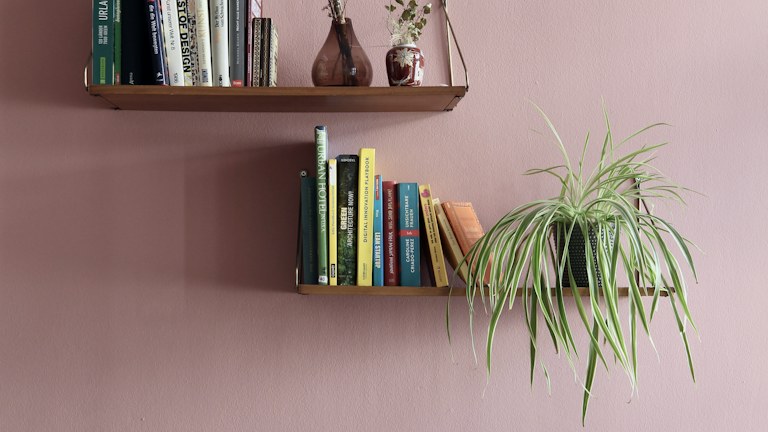
Photo: Julia / Unsplash. Stock photograph for illustration.
In this guide
- Understand the shelf before filling it differently
- Sort according to how you look for a book
- Give frequently used books the easiest access
- Decide where vertical rows and small stacks help
- Add decorative objects with a practical boundary
- Use visual rhythm without sacrificing the system
- Test the arrangement with ordinary use
- Leave room for the collection to change
A bookshelf has several jobs. It keeps books accessible, protects them from careless storage, and occupies a visible part of a room. Those jobs do not always agree with a photograph of a perfectly styled shelf. A color arrangement may look attractive but make a reference book difficult to find. A dense collection may be useful but awkward to browse. The best arrangement begins with how you use the books, then makes the practical structure pleasant to live with.
You can improve a shelf without buying matching objects or reducing your collection to a decorative handful. Work one section at a time, decide what belongs there, and test an arrangement you can maintain. The aim is to make books easier to find and return while giving the room a sense of order that suits your taste.
Understand the shelf before filling it differently
Look at the furniture itself. Check its condition, the stability of adjustable shelves, and the manufacturer's guidance on loading and anchoring. Do not assume every shelf can safely hold a row of large hardbacks. If the unit is unstable or damaged, address that before styling it. Use the appropriate installation guidance rather than improvising support with objects that happen to be nearby.
Measure the usable width, height, and depth of each section. Note any doors, outlets, heaters, or walkways that affect access. A shelf can appear generous while having several awkward spaces that do not fit the books you own. These measurements help you decide where tall volumes, small paperbacks, and non-book items can go without forcing them into positions that are difficult to use.
Sort according to how you look for a book
Ask what you usually remember when you want something from the shelf. It may be the author, subject, series, or a particular project. Use that habit as the main organizing principle. A household with several readers may benefit from broad shared categories and individual sections. The system should be understandable to the people returning books, not just the person arranging them.
Create a temporary group for books whose destination is uncertain. You do not have to settle every decision during the first pass. Separate borrowed items, books awaiting repair, and books you intend to pass on so they do not quietly return to ordinary storage. If a book has sentimental value but is rarely opened, it can still belong in the collection; it simply may not need the easiest-to-reach position.
Give frequently used books the easiest access
Place current reading, reference books, and frequently revisited favorites where you can reach them comfortably. Keep related volumes together when you normally use them as a set. Larger or heavier books need a location that is practical to lift from, within the furniture's limits. Avoid arranging frequently used books beneath a pile of objects you must remove each time.
Think about the route from shelf to reading place and back. If you always leave current books beside a chair, allow a small temporary spot there and return them during an ordinary tidy-up. A shelf arrangement does not have to prevent every book from leaving its assigned place. It should make returning the book obvious enough that a temporary reading pile does not become a permanent second system.
Decide where vertical rows and small stacks help
Vertical rows make individual books easy to remove, especially when supported so they do not lean heavily. Small horizontal stacks can accommodate some oversized volumes or create visual variation, but the bottom book should not be something you use daily. Keep stacks manageable and avoid putting fragile decorative objects on top of books you regularly need to access.
Use the actual dimensions of the books rather than imposing a uniform pattern across every shelf. A row of small paperbacks and a group of large illustrated books may need different treatment. Leave enough space to remove a volume without scraping or pulling several others out. A tightly packed shelf can look tidy while making ordinary use unnecessarily awkward.
Add decorative objects with a practical boundary
If you enjoy objects among the books, choose a few that have meaning or suit the room. Give each one enough space to be seen without blocking titles or creating unstable arrangements. A photograph, a small sculpture, or an empty area can provide visual relief. You do not need to fill every gap simply because a surface is available.
Consider maintenance and the materials involved. Watering a plant above books creates a different risk from placing a dry ceramic object beside them. Keep liquids and heat sources away from the collection, and avoid direct conditions that visibly affect the books. If you are displaying valuable or delicate material, seek appropriate preservation guidance rather than treating general decorating advice as sufficient for its care.
Use visual rhythm without sacrificing the system
Step back and look at the shelf as part of the room. Notice whether one area feels crowded, whether large objects obscure smaller ones, or whether every shelf has the same dense outline. You can vary the spacing or move a decorative item without dismantling the organizing structure. A small adjustment is often enough to make the whole unit feel more balanced.
Color can be a secondary tool even if you do not sort every book by its cover. Repeating a few colors through objects or allowing similar bindings to sit together within a subject group can create continuity. Keep title visibility and retrieval in mind. The arrangement should still work when you add a new book that does not match the photograph you took on the first day.
Test the arrangement with ordinary use
Choose several books you might need during the week and try retrieving and returning them. Ask another household member to find one using your explanation of the categories. If the system needs a long tour, simplify the labels or boundaries. A beautiful arrangement that only its creator understands will gradually lose order as other people use it.
Watch for recurring piles nearby. They may indicate a missing category, a shelf that is too tightly packed, or a reading habit the arrangement did not accommodate. Solve the specific problem. Perhaps current library books need a clear return spot, or a reference section belongs closer to the desk. Treat the shelf as a working piece of furniture rather than a display that has failed whenever a book moves.
Leave room for the collection to change
Reserve some flexible space if books regularly arrive. That does not require a precise percentage or a large empty shelf. It means avoiding a layout that can accept one new volume only after every other item is rearranged. Review the uncertain group occasionally and make deliberate decisions about books you no longer want to keep.
Take a simple reference photo if it helps you remember an arrangement you like, but do not make the photo the standard against which daily life is judged. The shelf is successful when the collection is accessible, the furniture is used appropriately, and the room feels comfortable. Its appearance should support reading and living, with enough flexibility for the books that will become important to you next.