
Everyday Living
Build a Recipe Binder Around the Food You Actually Cook
Build a recipe collection around dishes you actually cook, with clear notes, sources, and a small space for experiments.
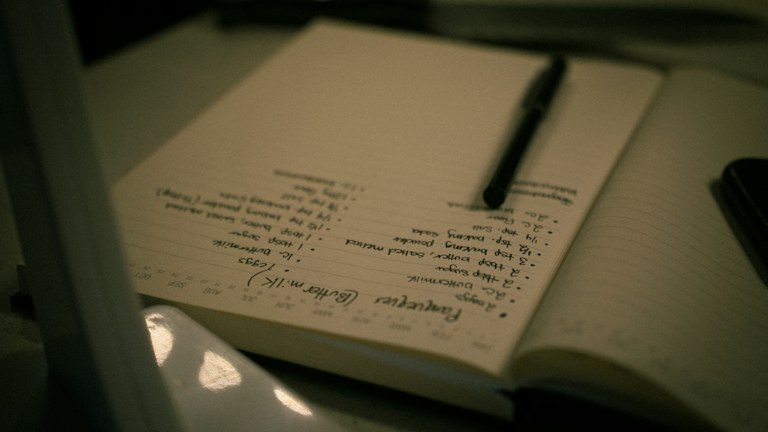
Photo: Osmany M Leyva Aldana / Unsplash. Stock photograph for illustration.
In this guide
A recipe collection can grow much faster than a cooking routine. Screenshots, magazine pages, handwritten cards, and saved links accumulate because each dish looks promising at the moment. Later, finding the meal that worked last month can be surprisingly difficult. A useful recipe binder or digital folder should support cooking, not merely preserve every interesting idea you have encountered.
Begin with a small group of dishes you already make or genuinely intend to try. Keep the original source, record your own changes clearly, and organize the collection around how you choose meals. The system can be paper, digital, or a deliberate combination, provided you know where the working version lives.
Separate reliable meals from possibilities
Make two broad groups: recipes you have used successfully and recipes you want to test. This distinction helps when you need a dependable meal on a busy day. A beautiful photograph should not have the same status as a dish whose ingredients, timing, and equipment you understand from experience.
Choose a manageable number of experiments. If the To try section contains hundreds of recipes, it may be less a plan than an archive of passing interest. Keep a short active list and allow the rest to remain elsewhere until you have a real reason to cook them.
Do not discard a family recipe simply because it is rarely made. Give occasional or sentimental recipes a clear place of their own. The aim is to distinguish purpose, not to judge every recipe by how often it appears on a weeknight.
Organize by the decision you make first
Think about how you choose dinner. You may start with the main ingredient, the available time, the cooking method, or the kind of meal. Choose the most useful primary grouping and keep it simple. A recipe can have additional tags without needing several identical copies in different sections.
For example, a paper binder might use sections for quick meals, longer cooking, baking, and special occasions. A digital collection might use folders for meal types and searchable notes for ingredients. There is no universal best structure; the right one reflects the questions you actually ask.
Test the system with a few familiar dishes. If you cannot decide where a recipe belongs, the categories may overlap too much. Use a broader group or a short index rather than forcing a complicated classification onto ordinary cooking.
Preserve the source and the complete instructions
Record the recipe's title, creator, and source link or publication details. A saved screenshot may omit the final step, a temperature note, or the ingredient quantity above the visible area. Check that your working copy is complete enough to use without reconstructing the missing information at cooking time.
When keeping a personal copy, respect the source's rights and any applicable terms. A personal collection is different from republishing someone else's recipe text or photographs on a website. If you share a recommendation, linking to the original source is often the clearest way to preserve context and credit.
Keep your own notes visually separate from the original instructions. This prevents a later reader from mistaking an experiment for the author's method. It also makes it easier to return to the original when a modification does not produce the result you wanted.
Write notes that explain what happened
After cooking, record a few specific observations while they are fresh. Note the equipment used, any ingredient changes, the actual yield for your household, and what you would adjust next time. A note such as Needed a larger pan is more useful than Good.
Distinguish preference from a problem with the recipe. Your household may prefer a different seasoning level or serving size without the original being incorrect. Write the change as your preference rather than a universal correction.
Avoid assuming that every substitution is interchangeable. Some changes affect more than flavor, particularly in methods that depend on specific proportions or processes. Use reliable guidance when a substitution affects safety or a technically sensitive method, and keep experimental versions clearly identified.
Make the working page easy to use
Arrange the recipe so the ingredients and main steps are readable at the distance you normally cook. A tiny printout may save paper but make the task awkward. A digital page should remain easy to navigate without requiring repeated scrolling past unrelated material.
Protect the working copy appropriately for the kitchen environment. Keep devices away from moisture and heat according to their instructions, and avoid placing paper where it could interfere with cooking equipment. A stable stand or a clear counter position can help, provided it does not obstruct the work area.
If you use a paper binder, leave room for brief notes and replace pages that become illegible. If you use a digital system, keep a clear current version and understand how it is backed up. The recipe should remain accessible when you actually need it, not only when every account and connection works perfectly.
Connect the collection with meal planning
Use the reliable section when building a short meal plan. Look for recipes that fit the available time, equipment, and ingredients rather than choosing solely from attractive photographs. The collection should make planning easier by reducing the number of decisions you repeat.
Keep a small note of meals that work well together or use related ingredients. This can help you plan thoughtfully without changing recipes merely to use up something unsuitable. Ingredient management should support the meal, not create a chain of improvised substitutions you have not checked.
Let unsuccessful experiments leave the active collection. You can keep a note explaining why a dish did not suit your household, but you do not need to retry every saved idea indefinitely. The binder becomes more useful when its contents reflect experience rather than obligation.
Review the collection at a natural interval
After a few weeks of use, notice which sections you reach for and which create confusion. Move misplaced recipes, update unclear notes, and remove duplicate working copies. Make the changes while the collection is still manageable.
Preserve meaningful family notes and context where they add value. A brief account of who taught you a dish or when it is usually served can make the collection personal without obscuring the instructions. Keep that story alongside the practical information rather than mixing the two so tightly that cooking becomes difficult.
A good recipe collection is a record of meals you understand, sources you can find, and experiments you choose deliberately. It does not need to be exhaustive. It needs to help you cook the next meal with less searching and more useful knowledge from the last one.